Some models don't need improving. They need replacing.
This is where we take on the challenges facing children that won't be solved by doing the current thing better—and test bolder responses in real places.

THE PREMISE:
Marginal gains matter. They just aren't always enough.
Much of what improves children's lives comes from doing familiar things better: sharper teaching, stronger curriculum, better attendance, tighter routines. These are hard-won, and they compound. The sector has become good at marginal gains, and we back that work—it's most of what a great school does every day.
But some of what holds children back doesn't move at the margins. Children disappearing from education. Families whose lives get harder because the services around them don't connect. A child's postcode still predicting how their life goes. These aren't problems where the current model is nearly right and needs tuning. The model itself is part of what's producing them.
Those problems need big shifts, not fine adjustments. And big shifts get attempted far less often, because they're slower, riskier, and much harder to fund. Incremental improvement gets backed. Rethinking rarely does.
That's the gap this part of our work exists to fill. Fewer marginal gains, more deliberate bets—ideas bold enough to matter, tested honestly enough that we'll know if they don't work.
We are increasing
the number of young people speaking foreign languages
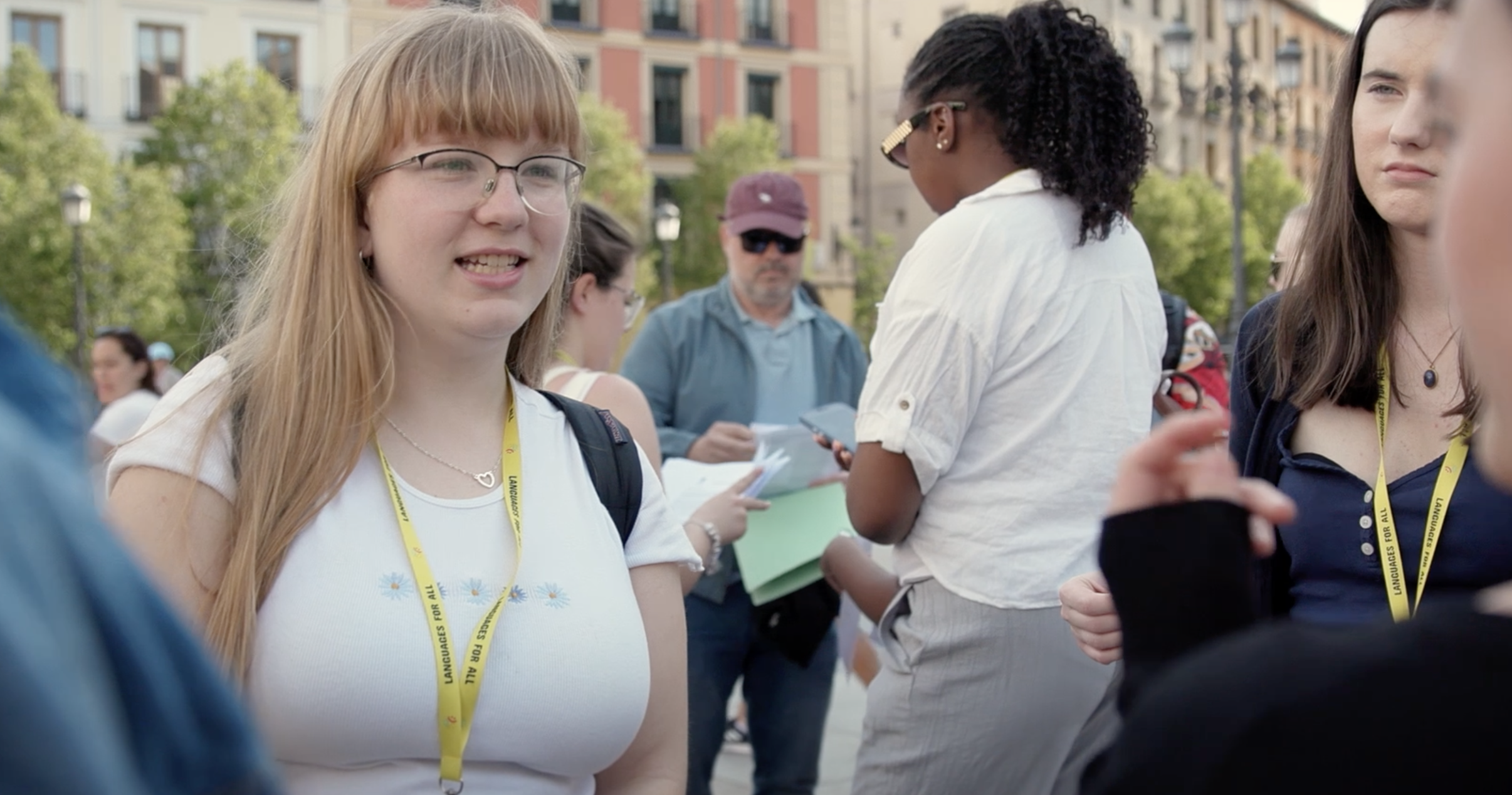
Modern languages are quietly disappearing from state schools. Small A-level classes cost more to run than schools can justify, so the subject gets dropped. A country that stops learning languages narrows what its young people can do, and who they can become. Languages For All builds local hubs where schools and universities teach A-levels together, sharing the cost and opening the subject up again.
We help school leaders
design for belonging
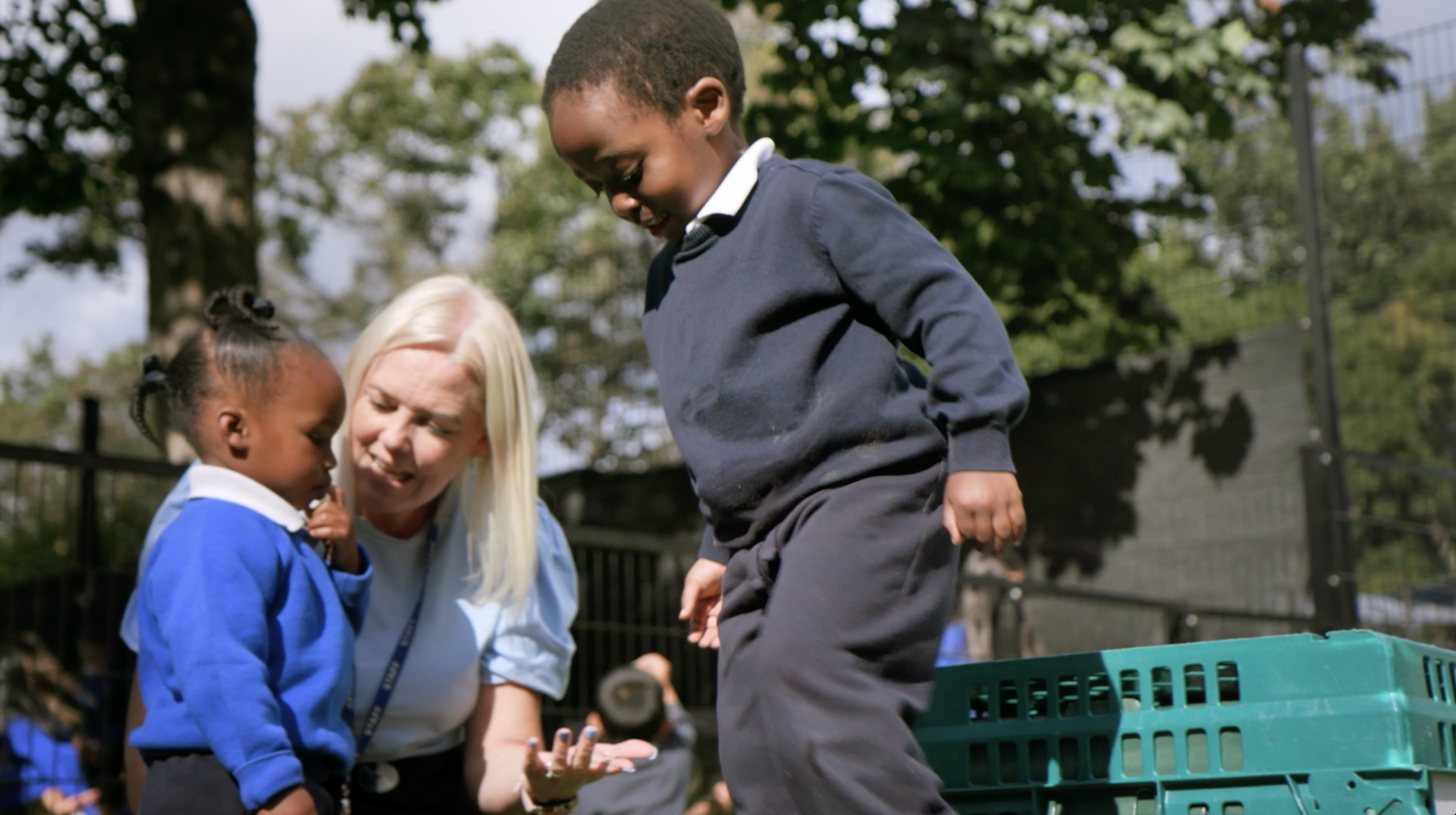
Belonging tends to be treated as a by-product: something that happens if the teaching and behaviour and everything else go well. But it usually runs the other way round. Children who feel they belong turn up, take risks, and stay. Children who don't drift out long before anyone records it. Culture That Connects helps leaders shape the culture of their school and its community deliberately—through structured reflection, practical tools, and shared inquiry with others working on the same problem.
We are
rethinking inclusion
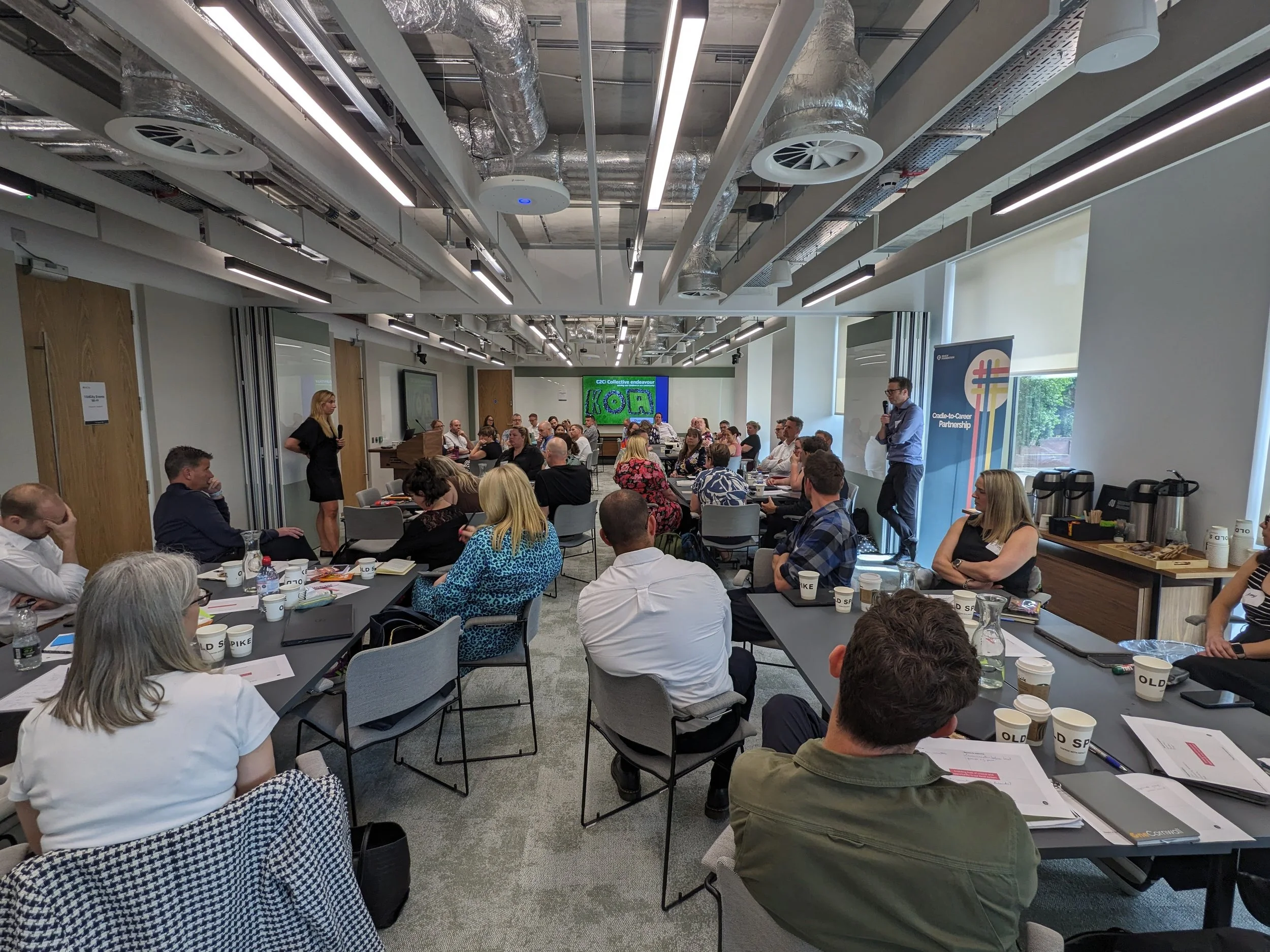
The children who most need stable relationships are the ones the system moves most often—between settings, provisions and professionals. Every move costs them the adults who knew them, and the pattern is well established long before anyone calls it exclusion. Place & Pathways works with schools and the services around them to build clearer pathways for these children, so more of them stay connected to their school, their friends and their community.
We incubated
Oak National Academy
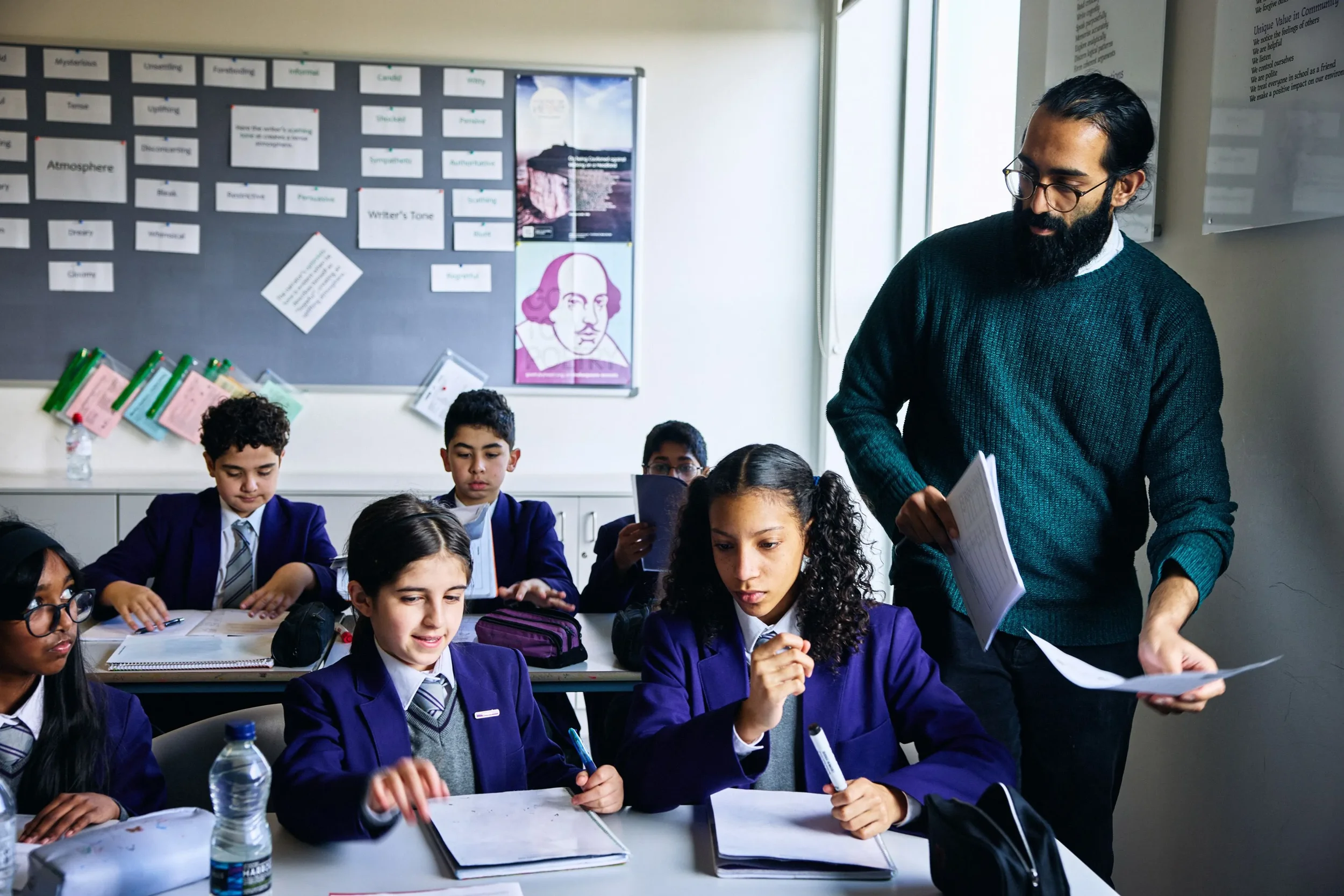
When schools closed in March 2020, millions of children lost their teaching overnight, and no one had a plan for what came next. Working with teachers across the country, we built Oak National Academy in a fortnight—a free national online school, with lessons for every year group and subject. It reached millions of children through the pandemic and beyond. Oak later spun out to become an independent public body.