Children don’t grow up in schools.
Children grow up in neighbourhoods.
We help schools connect their neighbourhood together around children—so support joins up where a child grows up.
THE MAIN WAY WE DO THIS IS THROUGH OUR

A structured, multi-year partnership that helps you bring your neighbourhood together around its children.
Every school knows the children it can't reach alone, and the services nearby that never quite connect. The Partnership helps you see your neighbourhood clearly, and build the relationships that join up support around every child in it. You start small, and go as far as the work takes you.
HOW IT WORKS
The Partnership is a journey, not a leap.
-
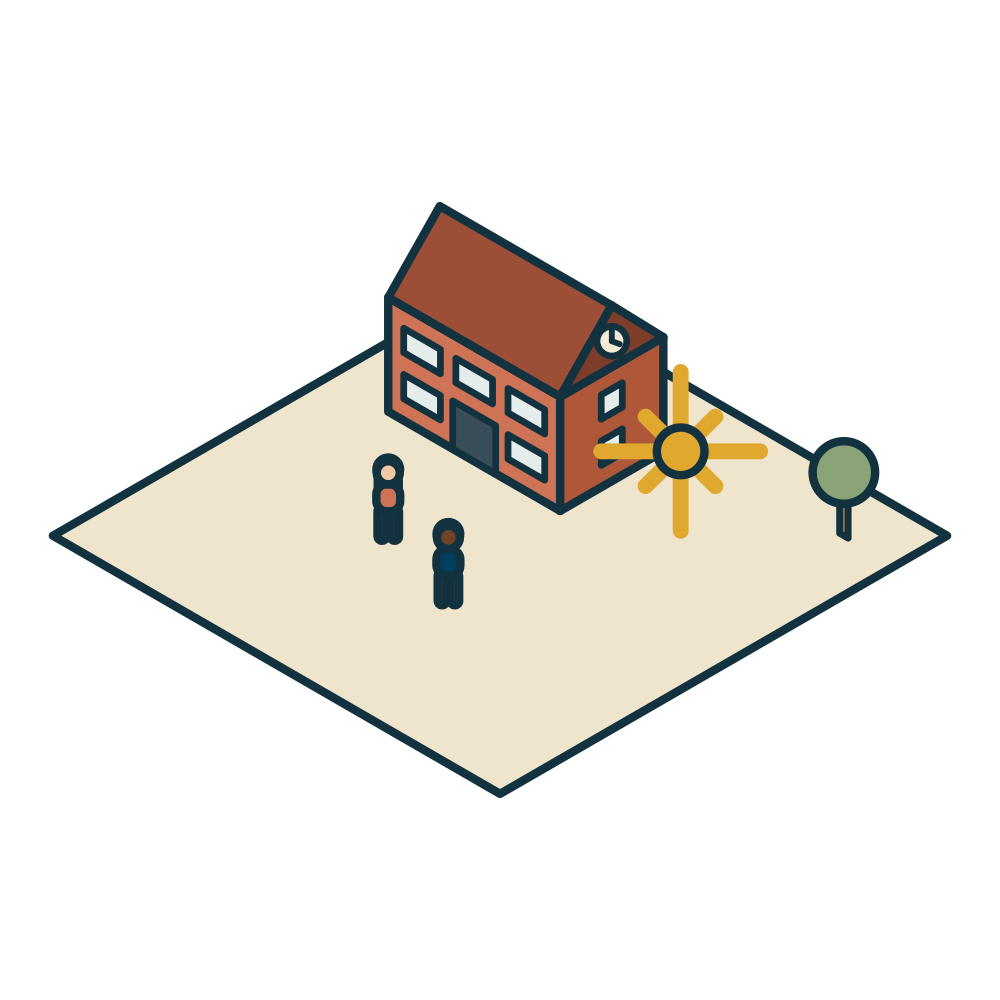
Phase 1: Catalyst
Start here.
Get a clear, honest picture of your neighbourhood—what children need, what's already there, and where the most promising opportunities for change are. A cohort programme, alongside other leaders doing the same.
-
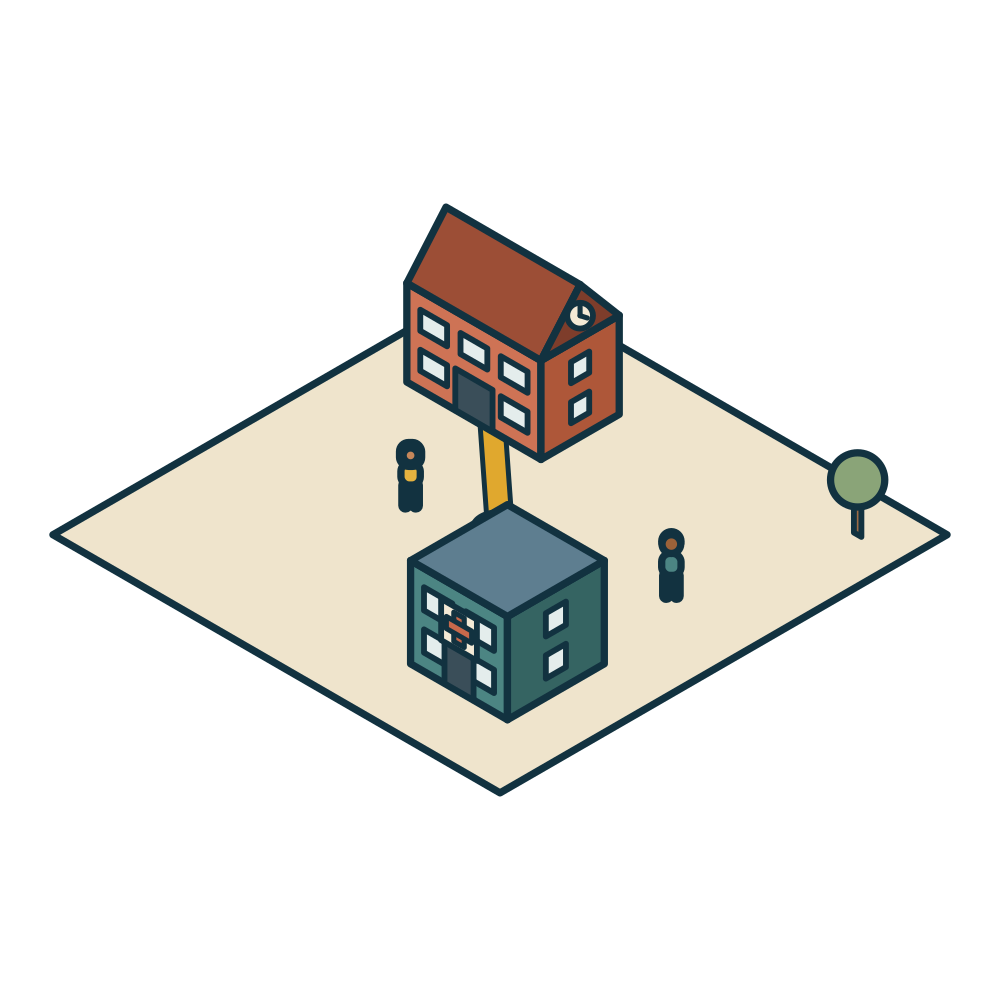
Phase 2: Foundation
Build the shared model.
Bring your local colleagues into the work. Agree together on what you're trying to change, and put the first structures in place to start doing it.
-
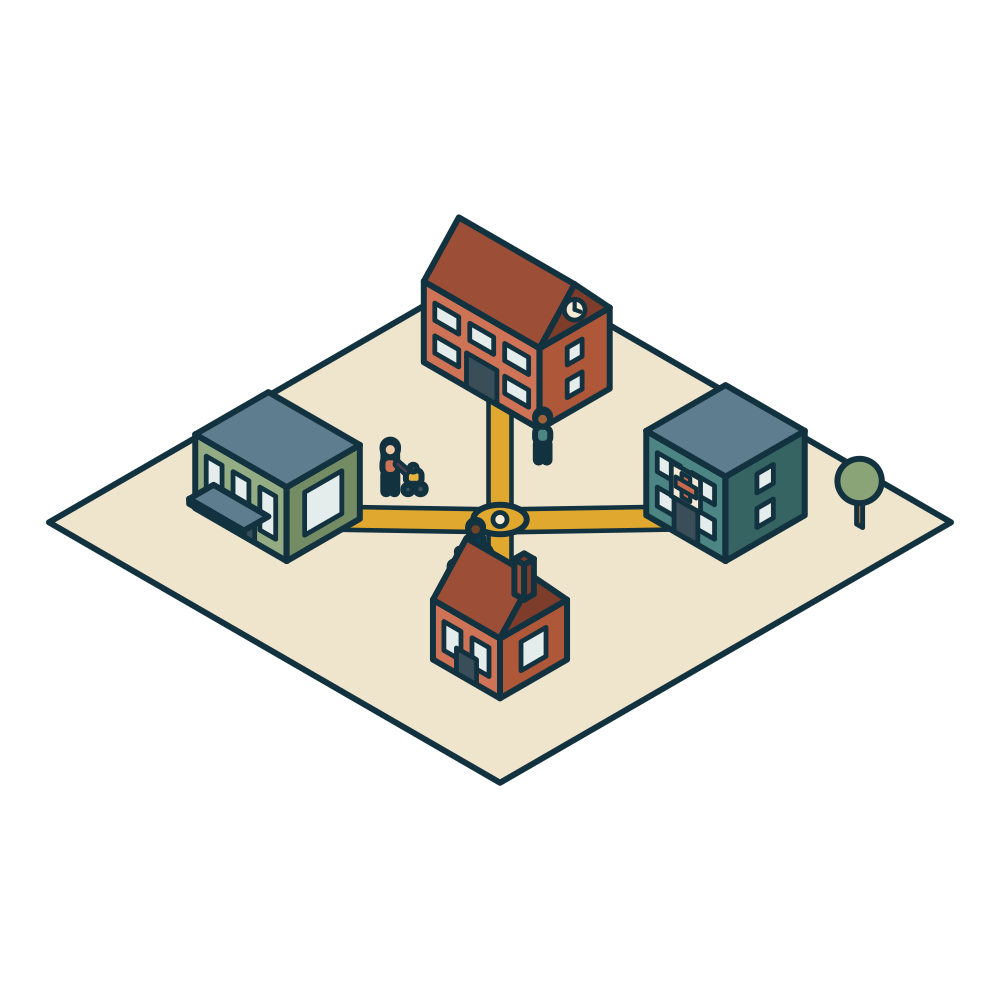
Phase 3: Partnership
Make it formal.
Schools, services, families and community organisations working to shared priorities—with the governance and the everyday habits to hold it all together.
-
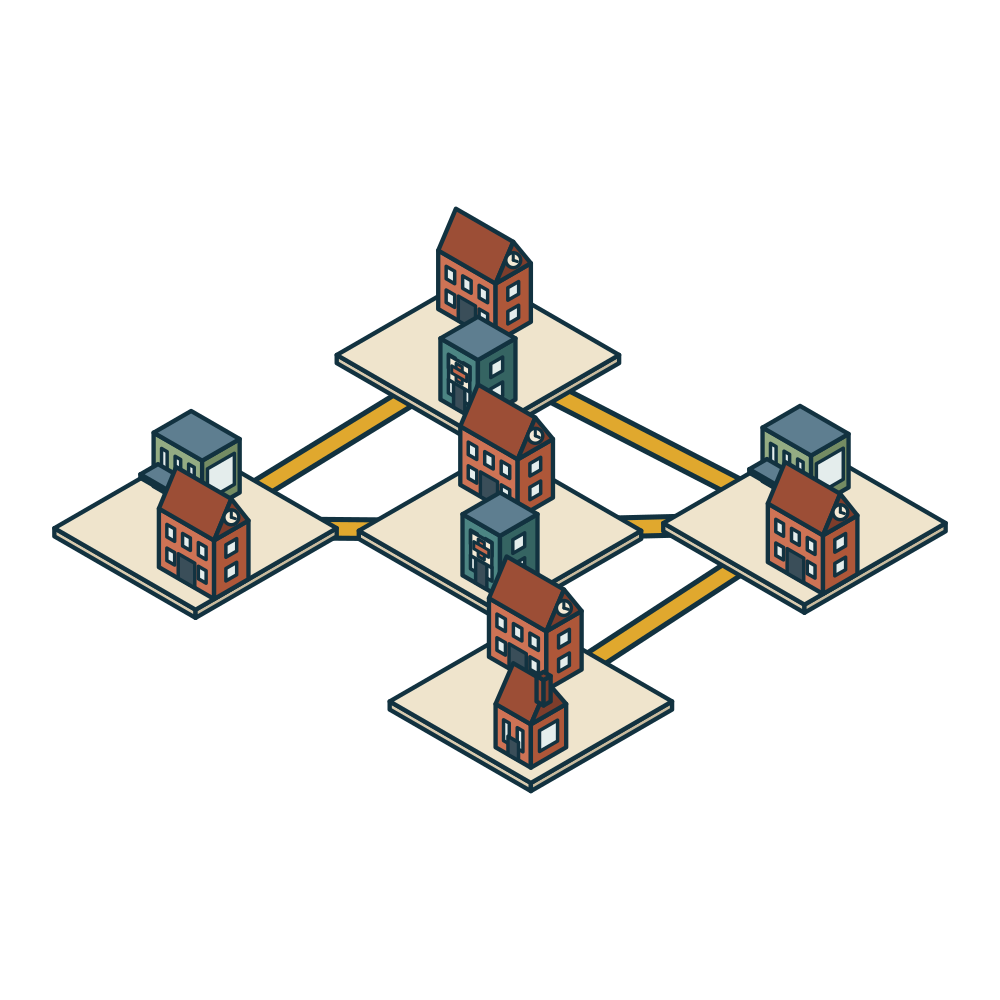
Phase 4: Accelerator
Scale what works.
Established partnerships bid for multi-year investment to deepen the support around children in their neighbourhood—or extend it into new ones.
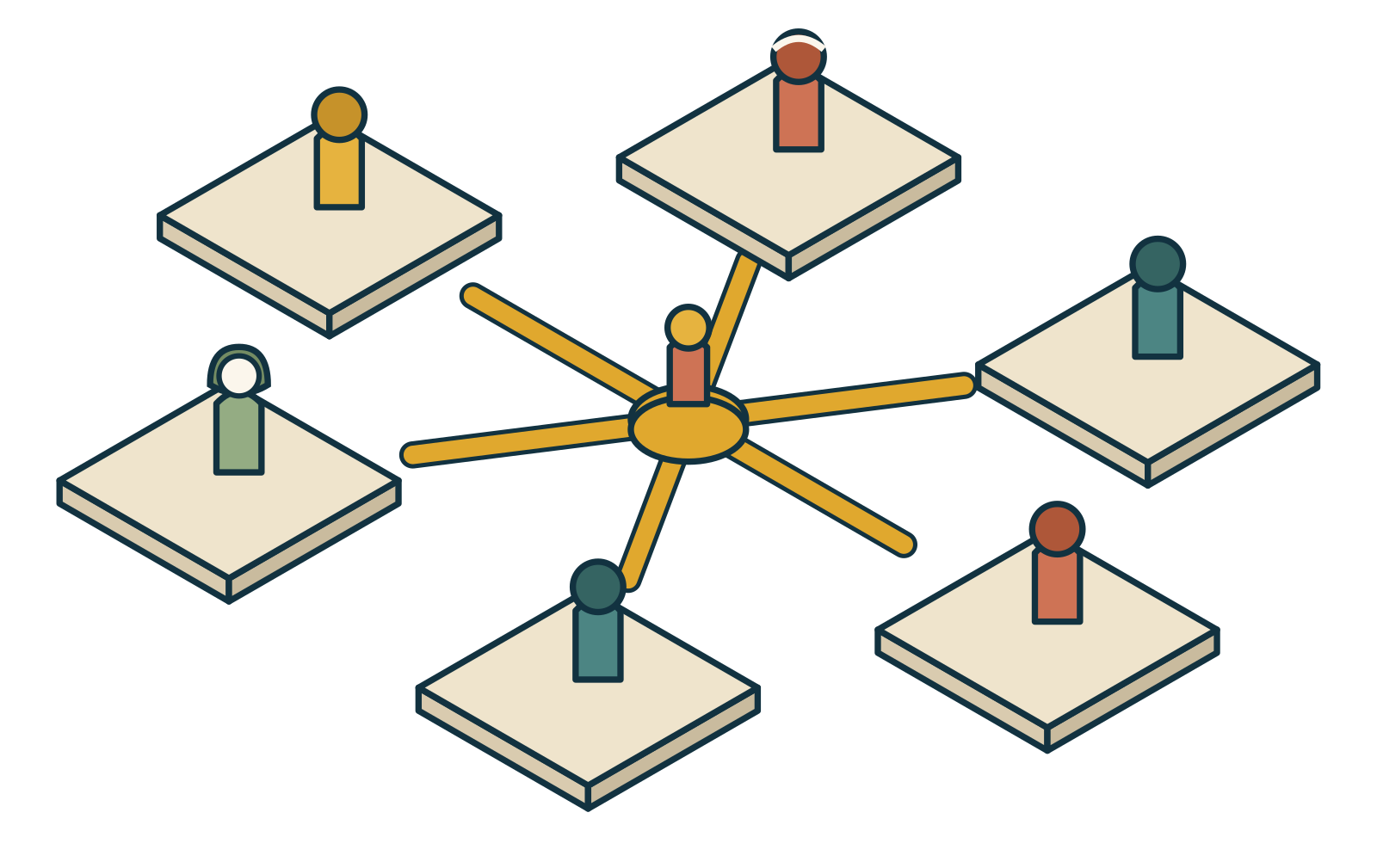
THE PREMISE:
Coherence is built locally, or not at all.
With the best will in the world, no government minister can join up the support around a child. And no strategy document can make a health visitor and a Year 6 teacher talk to each other. That work is done by people who share a neighbourhood, know the same families, and decide to organise differently.
Place matters to us, because everything happens somewhere. National problems are real, but children don't experience them nationally—they experience them on a particular street, in a particular school, through the particular mix of services and people around them. The same challenge looks different in Feltham and in rural Devon, and it has to be answered differently too. Place is where structural, often abstract issues become concrete—and where anything we do to respond has to land.
And every place already has more than it thinks. We don't arrive with a deficit and a fix. We start from what's there: the trusted school, the committed youth worker, the church hall, the parents who already know each other, the relationships that hold a community together. Our work is usually less about adding something new than about connecting what already exists—so a neighbourhood's own strengths start working together.
We work at different scales, because they need each other. A neighbourhood can build something remarkable and still be undone by decisions made above it. A region can set the right conditions and change nothing on the ground. Joining those up is the work.
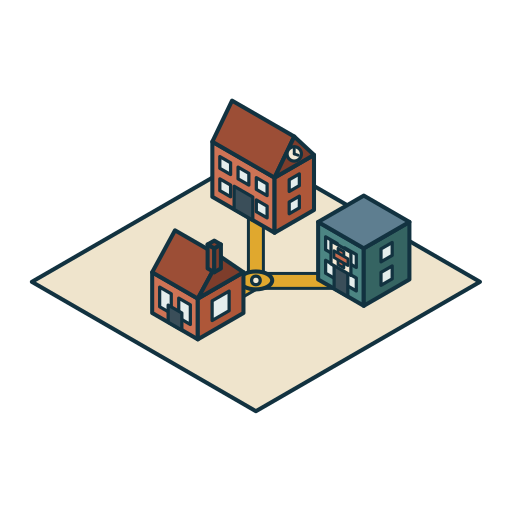
Neighbourhoods
A neighbourhood is the smallest unit and the most important one: roughly the size of a postcode district, small enough for the adults around a child to know one another, and whole enough to hold most of what a child needs. Our ambition is simple—that a child could find everything they need to thrive without leaving it.
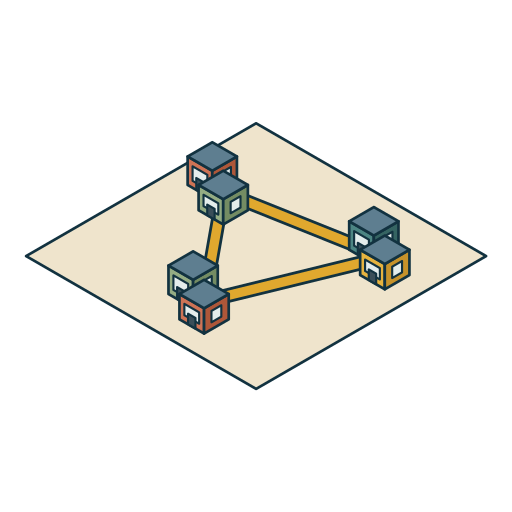
Regions
Above that sit groups of neighbourhoods that share a story, the districts and boroughs where services are commissioned and budgets set, and whole regions, where trusts and combined authorities shape the conditions everyone else works within.
We also help commissioners
connect services
Much of what shapes a childhood is decided above the neighbourhood—by councils, trusts and combined authorities. We work with commissioning bodies who want their whole area organised better around children: developing leaders who can hold this work across a county, connecting schools and services area-wide, and strengthening already established partnerships. The aim is the same each time—that decisions made above a neighbourhood support the work happening within it.