A class is taught by one adult.
But a childhood is shaped by many.
We develop the wider workforce around children. This work needs people who see themselves as one connected workforce, not separate services passing a child between them.

THE PREMISE:
Many services.
One workforce.
The people around a child rarely think of themselves as a workforce at all. The teacher, the health visitor, the youth worker, the family support worker each belong to a different service, a different budget, a different chain of command. A child moves between them, but they seldom move towards each other. What the child experiences as one life, the system delivers as separate parts.
And the people with the deepest roots in a community—the ones who know the families, who came from the neighbourhood, who are trusted on the doorstep—too often have to leave the places they are most needed in order to train, qualify or progress.
Too often, we ask our most rooted people to choose between growing and staying.
The work is to build the workforce children actually deserve: one that sees itself as connected rather than separate, that can train and progress without leaving home, and that takes the child, not the service, as its organising principle.
We are growing
the children’s workforce
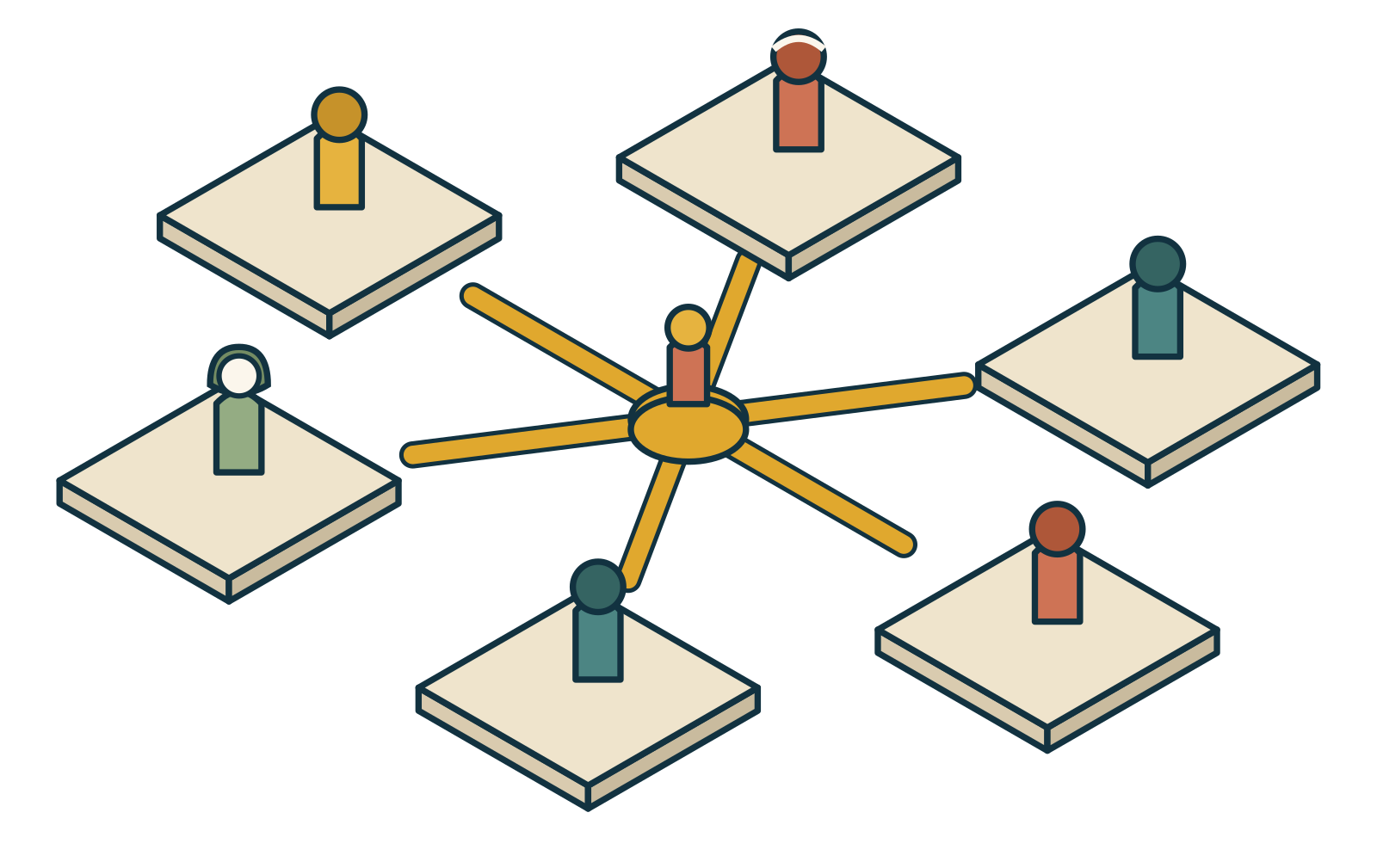
The Centre is a national initiative working to build coherent systems of support around a child. We want to shift from disconnected disciplines and services to an interconnected workforce that is more than the sum of its parts. By developing shared narratives, new training pathways, and cross-sector learning and innovation, The Centre is building the workforce that children deserve.
We develop
pastoral staff
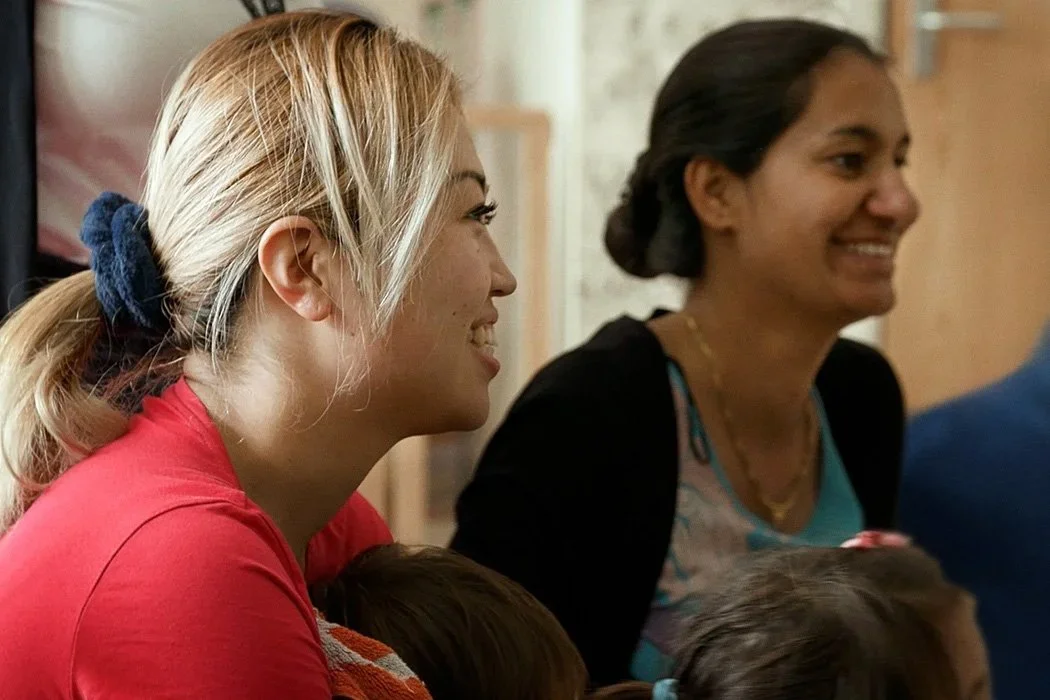
A year-long programme for the non-teaching staff closest to our most vulnerable children: learning mentors, attendance officers, safeguarding leads, family support workers. Affordable, practical development in relationship-centred practice—plus something this workforce rarely gets: a professional community beyond their own school.