
Notes from the places doing this work.
What we're learning, as we learn it, from the neighbourhoods and schools building cradle-to-career support.
Staking the ground
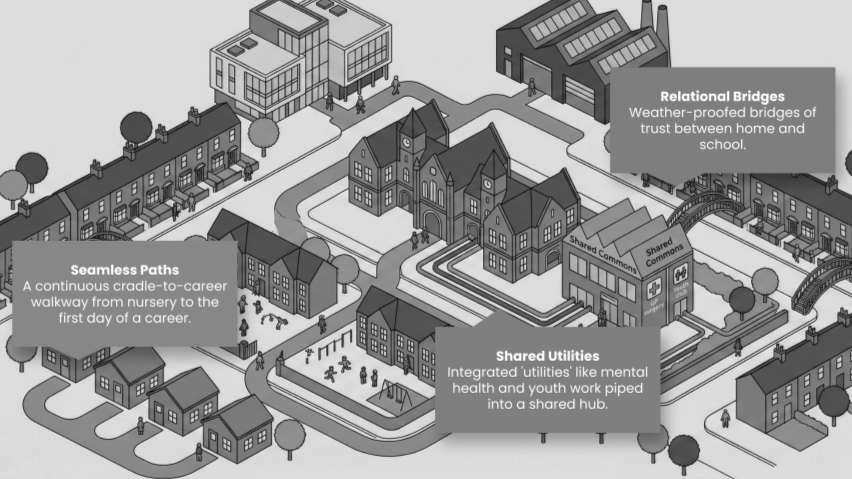
We have the ‘software’ to transform children’s lives, but we are trying to run it on fragmented ‘hardware’. In this follow-up article, Sam moves from the ‘why’ to the ‘where,’ arguing that the “postcode cluster” is the essential architectural unit for systemic change.

The mismatch: When vertical systems meet horizontal lives
Imagine a school that is nailing it. The curriculum is perfectly sequenced, the culture is warm and demanding, the internal machine hums with clinical efficiency. Yet, despite this rigour, some metrics are moving in the wrong direction. In this article, Sam argues that we are witnessing a structural mismatch: our institutions are engineered for vertical accountability while our children live horizontal lives, before hinting at what an alternative might look like.

The relational estate
We spend millions maintaining our buildings because we know the cost of a leaking roof. In this article, Jamesasks: What if we treated our "relational estate" with the same rigour?

The adaptive turn
If the problem is ecological, can the solution remain isolationist? It isn’t enough to rely on the technical toolkit of trackers and policies. It requires a structural shift. Sam explores the 'adaptive turn'—moving beyond the school gates—to propose an institution that acts as both a fortress for learning and a hub for community connection.

Mapping this moment
Why does leading a school feel heavier right now? It isn’t the familiar burden of accountability, nor even the strain of tightening budgets. It is something else. Using Bronfenbrenner’s ecological map as a lens, Sam traces the root of the "current moment"—from rising poverty to crumbled services—to explore why the classroom is carrying the weight of the world.

Striving for impact
James reflects on what we can learn from two decades of place-based work in the U.S. through the StriveTogether network, interrogating both the promise and the pitfalls of collective impact—and why the next stage of educational reform will depend on leaders who can share responsibility while holding differentiated responsibility.

Building the workforce that children deserve
Schools see part of the picture. Social care sees another. Health sees another still. But the child—the elephant in the room—remains fragmented between them. As we launch the Centre for the Children’s Workforce, Managing Director, Ned Younger argues for a connected, community-rooted workforce built around the child, not the system.

The case for strengthening family-school coherence
The 'social contract' between schools and families is shifting, often marked by challenges like declining attendance, persistent absence and increasing mistrust. Yet, for Verity Howorth, this moment also offers an opportunity to reimagine these partnerships. By fostering coherent, asset-based relationships, schools can enhance family engagement, benefiting students, communities, and long-term outcomes.

Spotlight on: Harchester Children’s Initiative
Harchester Children's Initiative started as a small, single-town pilot a few miles east of Tamworth. Today, it serves thousands of children and families across Staffordshire, helping its communities to achieve life-changing social and economic mobility. In this article, Victoria Hirst and Sam Fitzpatrick draw out some of the principles underpinning their success in breaking the cycle of intergenerational poverty.

From cringe to connection: Strengthening staff bonds for student success
While we often focus on student outcomes, the dynamics between colleagues can make or break a school’s success and sustainability. From managing conflicts to fostering genuine connections, we know the way we interact with one another has a profound impact on both our well-being and effectiveness. In this article, Verity explores some practical strategies for cultivating trust and collaboration among staff, transforming these relationships into a powerful lever for achieving educational excellence.

Doughnut education? From rigour to resilience
Drawing inspiration from James Vincent's ‘Beyond Measure’ and Kate Raworth's ‘Doughnut Economics,’ James Townsend explores the limitations of our current measures of success in education. By reimagining schools as ‘regenerative institutions’, James proposes a new paradigm that balances academic rigour with the well-being and long-term thriving of the whole school community.

The final piece of the curriculum puzzle
In the first of this series, Jon Hutchinson introduces a key challenge in completing the curriculum revolution: smoothing the cracks between key stages. In this piece, Jon highlights some of the ‘low-hanging fruits’ and deeper collaborative opportunities our ‘Cradle-to-Career Partners’ have identified in their bid to ensure a more seamless educational journey for the children in their care.

Parent & pioneer: Transforming Early Years education in Feltham
Victoria Hirst explores Dawn Kiefer’s professional development journey; highlighting the broader impact she and her pioneering peers are having on Early Years education in our local community.
Bacon sandwiches and academic excellence: an unlikely alliance
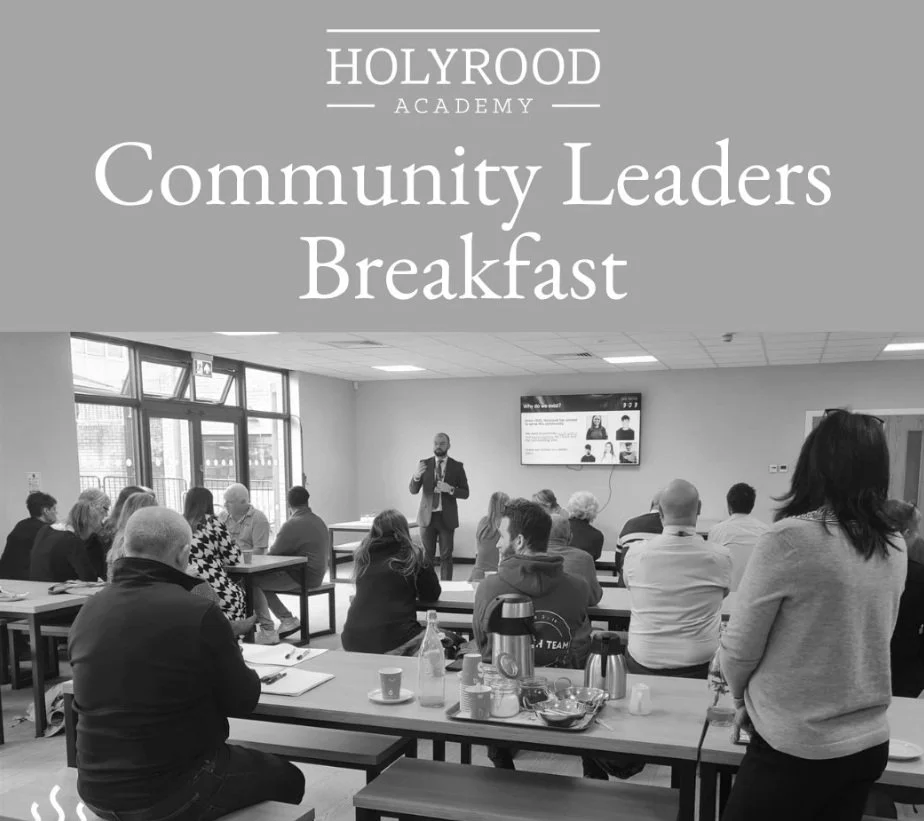
Victoria Hirst explores how Holyrood Academy in Chard, Somerset, is spearheading a collective impact initiative. By collaborating with community leaders, local authorities, and businesses, the school aims to combat rural poverty and improve student outcomes through innovative, cross-sector partnerships.

Hearts vs handbooks? Relationship-centred practice in schools
Director of Training, Verity Howorth, spoke with newly appointed headteacher (and West100 alum), Jonathan Black, to explore the tension between structured frameworks and authentic relationships in schools; emphasising the importance of relational practice.

Palatial idealism and scrappy ingenuity: Embracing Jugaad in education
Despite financial constraints and crumbling schools, innovative approaches like 'jugaad' and workarounds are helping. By leveraging existing resources and fostering community collaboration, schools can still make significant strides in improving education amidst scarcity.