
By 2033, coherent, consistent, and connected support around children will be the norm, not exceptional.
Policy can make coherence the expectation, but it cannot make it happen. That's the gap we're closing—and the window to do so is now.
Joined-up, cradle-to-career support becomes ordinary, not exceptional—the default way a place organises around its children.
The next few years will see a raft of SEND reforms and changes to the curriculum. The places that build the habit now will pull ahead.
Coherence can't be legislated into being. It's built locally, by people who decide to organise differently. That's fundable, and we know how.
Great schools are necessary, but not sufficient.
Imagine a school that's doing everything right. The curriculum meticulously sequenced, the culture warm and demanding, every minute optimised for learning. Twenty years ago, that school would have been an undisputed success story.
Today, a school like that can still struggle—with attendance, with need rising in volume and complexity, with alumni who leave well-qualified yet still can't find a foothold. Not because anything inside the school gates is wrong, but because we've built systems where accountability and funding flow up and down. That's an efficient way to run institutions, and a poor lens to look at childhood.
Children don't live in, or belong to, any single institution. They live in, and belong to, their neighbourhoods.
So while a child's life is continuous, the support around them is not. It's handed over at a series of junctions, from their first 1,001 days to their first job. The best support around children is coherent, consistent and connected—it makes sense across services, holds through transitions, and the adults act together rather than in parallel. Today that's the exceptional achievement of a few determined leaders. Our thesis is that it can become ordinary.
The conditions are finally catching up with the case.
Leaders have argued for years that support around children needs to be joined up. What's changed is the context around them. In 2026, several pieces of national policy moved the same way at once—and central government began calling on schools to think more broadly about the young people the system produces, not only the stage a child has reached. The case hasn't changed. The conditions for acting on it have.
The schools white paper, Every Child Achieving and Thriving, organised itself around five principles: early, local, fair, effective and shared.
The Children's Wellbeing and Schools Act received Royal Assent, built around making sure no child falls through the gaps between services.
Best Start Family Hubs began implementation, designed so partners work together around families rather than families navigating the system.
Policy can require coherence, but it cannot create it.
An Act can say that schools, health, police and social care must work together. It cannot make a health visitor and a Year 6 teacher build a trusting relationship. So there is a gap between what policy now expects and what most places can actually do—and a window to close it: the SEND reforms phase in towards 2030, a new curriculum arrives in 2028. The places that build the habit of working together now will be ready to make the most of what's coming.
For this to become ordinary, nine things have to shift.

Accountability, shared not shifted.
Schools are right to resist being made responsible for problems they have neither the funding nor the jurisdiction to solve. The answer isn't to narrow the job—it's to widen who holds it. A health visitor, a Year 6 teacher, a college tutor and a youth worker are all working towards the same healthy, happy young adult. What's missing is shared responsibility for how that childhood turns out, distributed across everyone who touches it.
Coherence, built locally.
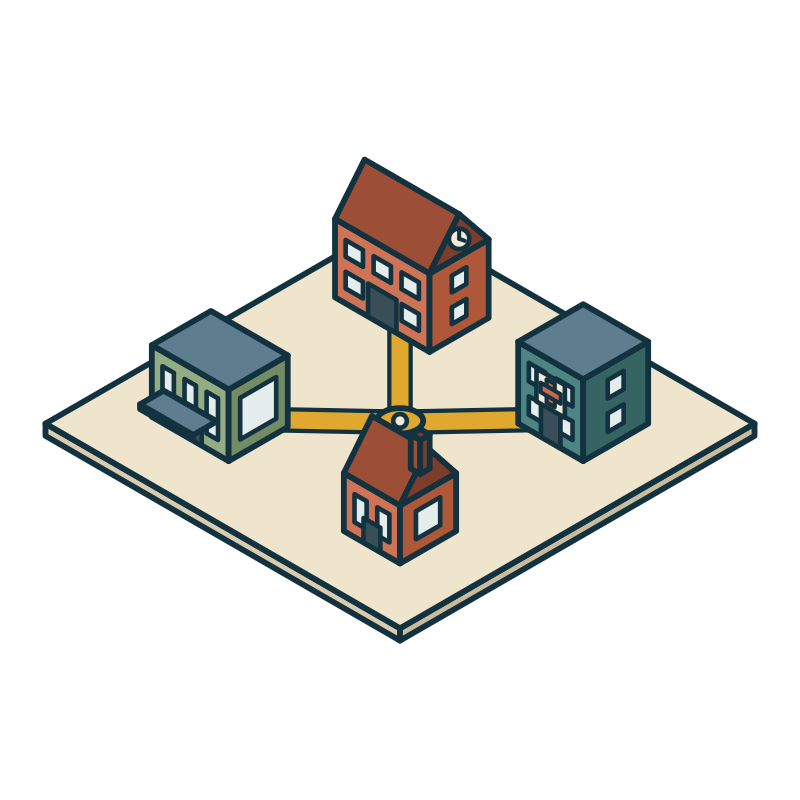
No single institution or government department can join up the support around a child. That work is done by people who share a neighbourhood, know the same families, and decide to organise differently—so national policy should be enabling that, not attempting it.
Place, taken seriously.
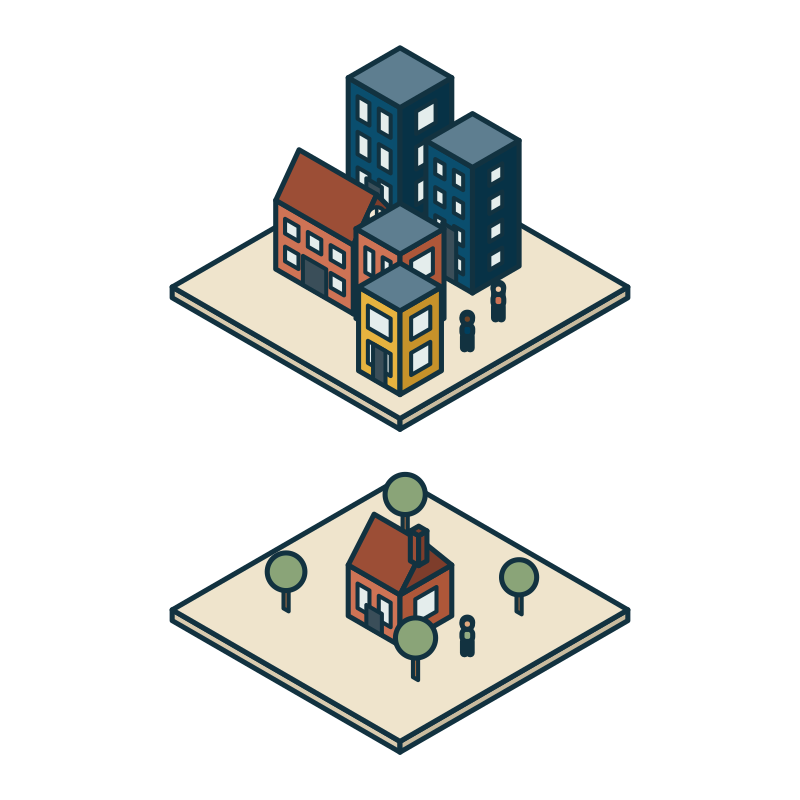
Children don't experience systemic problems equally across the country. Attendance, SEND, family stress—each looks different in Feltham and in rural Devon, and has to be answered differently too. Place is where abstract problems become concrete. Which means starting from what a place already has, rather than arriving with a deficit and a fix.
Schools, as drivers of change.
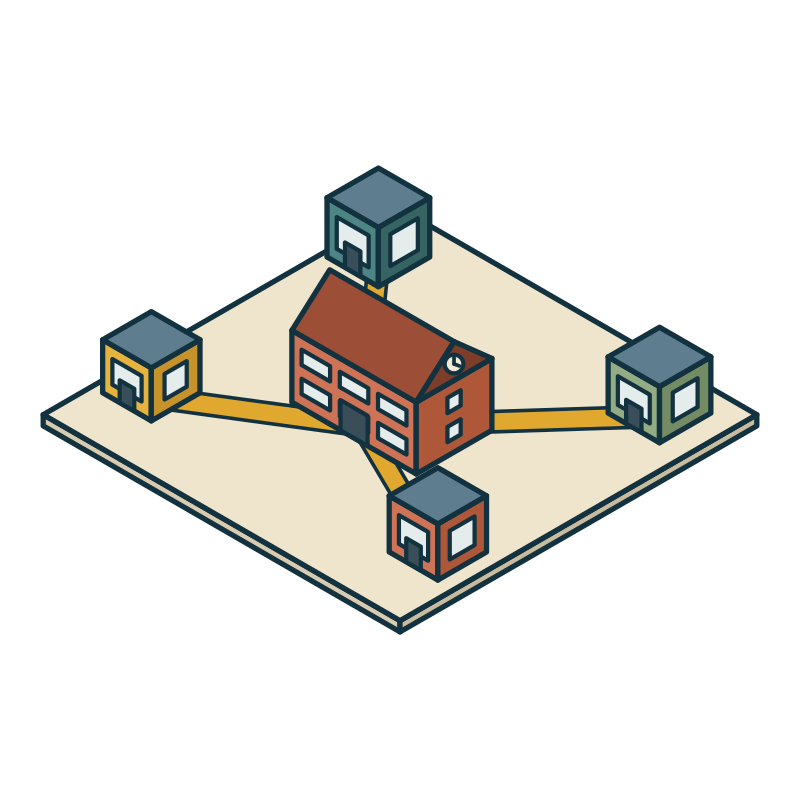
In policy conversations about strengthening communities, better schools are often treated as an outcome of that work rather than a cause of it. That gets the causality backwards, and leaves out the most trusted institution in most neighbourhoods. Recognition has to run both ways: the sector needs to make room for schools at that table, and school leaders need to claim their seat.
Leadership, civic not heroic.
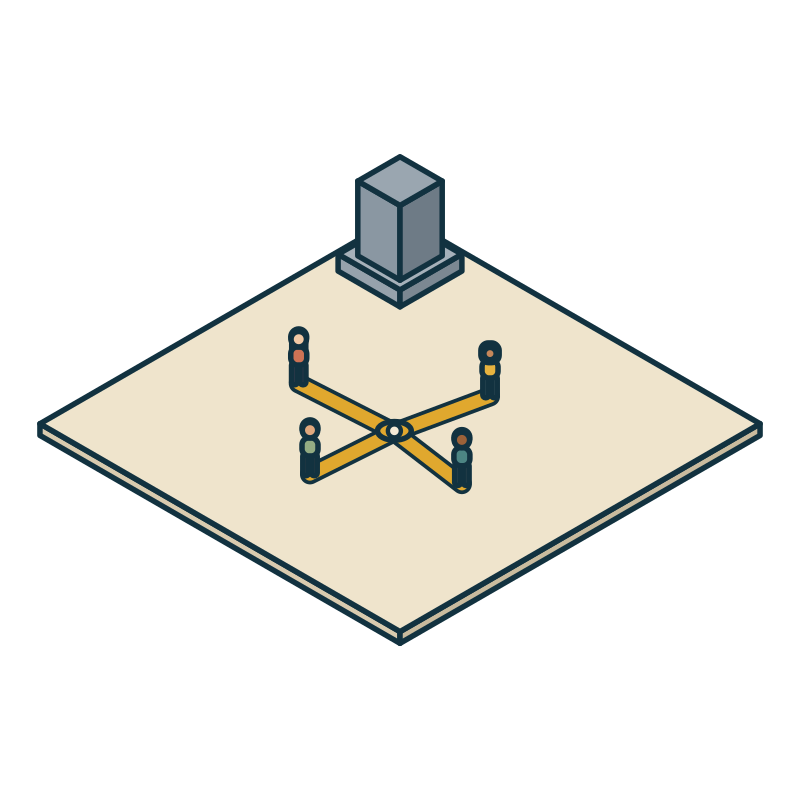
For decades, the answer to hard problems has been the exceptional head who beats the system so their children can beat the odds. It's remarkable, and it isn't a plan. Nor is it only about senior leaders: a childhood is held by a whole workforce, and coherence is built by everyone around a child, not just the person at the top.

Relationships, as infrastructure.
We plan, fund and maintain the physical estate with real rigour, and leave the relational estate to chance. So support ends up depending on who happens to know who—and the families with the fewest connections lose the most. Social capital is unevenly distributed. Building it deliberately is how that stops being a lottery.

Families, as partners not recipients.
The people who know a child best are too often the last to be asked and the first to be managed.
Big shifts, not only marginal gains.
Much of what improves children's lives comes from doing familiar things better, and that work compounds. But some of what holds children back doesn't move at the margins, because the model itself is part of what produces it. Those problems get attempted least often—they're slower, riskier and harder to fund.
Built to outlast its builders.
If the work dissolves when one leader moves on, it was never really built. The test is whether a place would keep doing this without us.
We've been building the proof for over a decade.
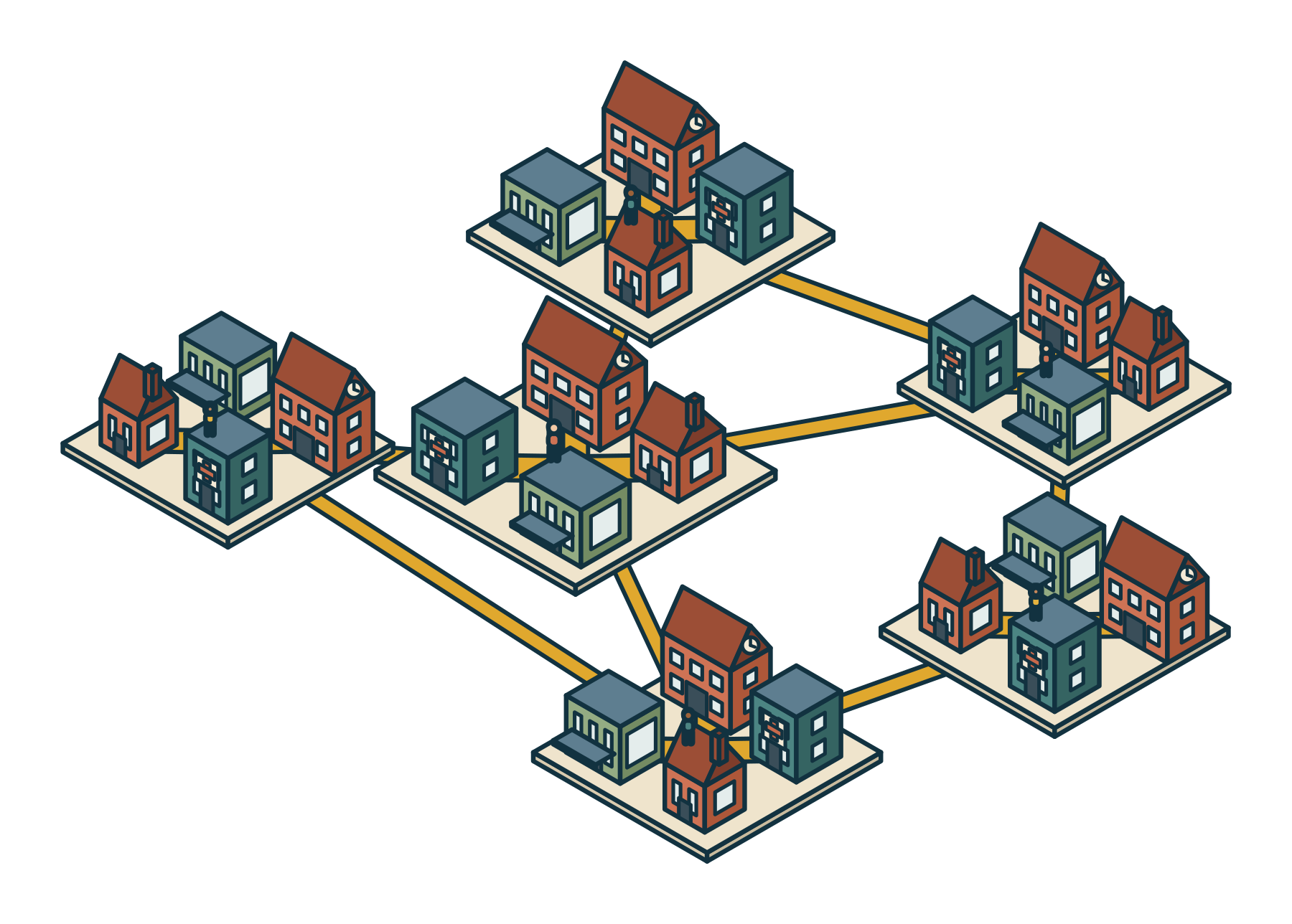
We began in Feltham, in west London, more than ten years ago—and we're now doing this work in neighbourhoods and places across the country, from single communities to whole regions. The thesis isn't speculative. It's what we've watched take hold, place by place.
This is where you come in.
A thesis becomes ordinary when enough serious people decide to back it, carry it and build on it.

Fund the thesis
We're looking for anchor funders who want to make joined-up support around children ordinary within a decade—and who understand that the next four years are when it's decided.
Start a conversation →
Make the case with us
If you've reached the same conclusion, say so—in your own sector, in your own words. A thesis becomes ordinary when enough serious people carry it.
Join the coalition →
Use what we've learnt
Take the tools, cite the evidence, adapt the model. We'd rather it spread than be credited.
Our tools →Ordinary, not exceptional. Within a decade.
The window is open now, and it won't stay open. Come and make the case with us.
Start a conversation →