
Notes from the places doing this work.
What we're learning, as we learn it, from the neighbourhoods and schools building cradle-to-career support.

It Doesn't Start At Sixteen
Alan Milburn's recent review shows that becoming NEET doesn't start at sixteen. It starts far earlier, in the gaps between the institutions around a child. In this piece, James makes the case that the answer isn't another programme bolted on at the end, but coherence across the whole of a childhood.

The Convening Power of Local Authorities
One of the most striking findings from Alan Milburn’s interim report, for anyone who cares about place, is that the best local leaders are already building coalitions to hold children's support together, but doing so despite the system, not because of it. In this piece, Ed makes the case for the distinctive role local government can play, and why we think the answer to Milburn isn't another national programme but local leadership, better supported.
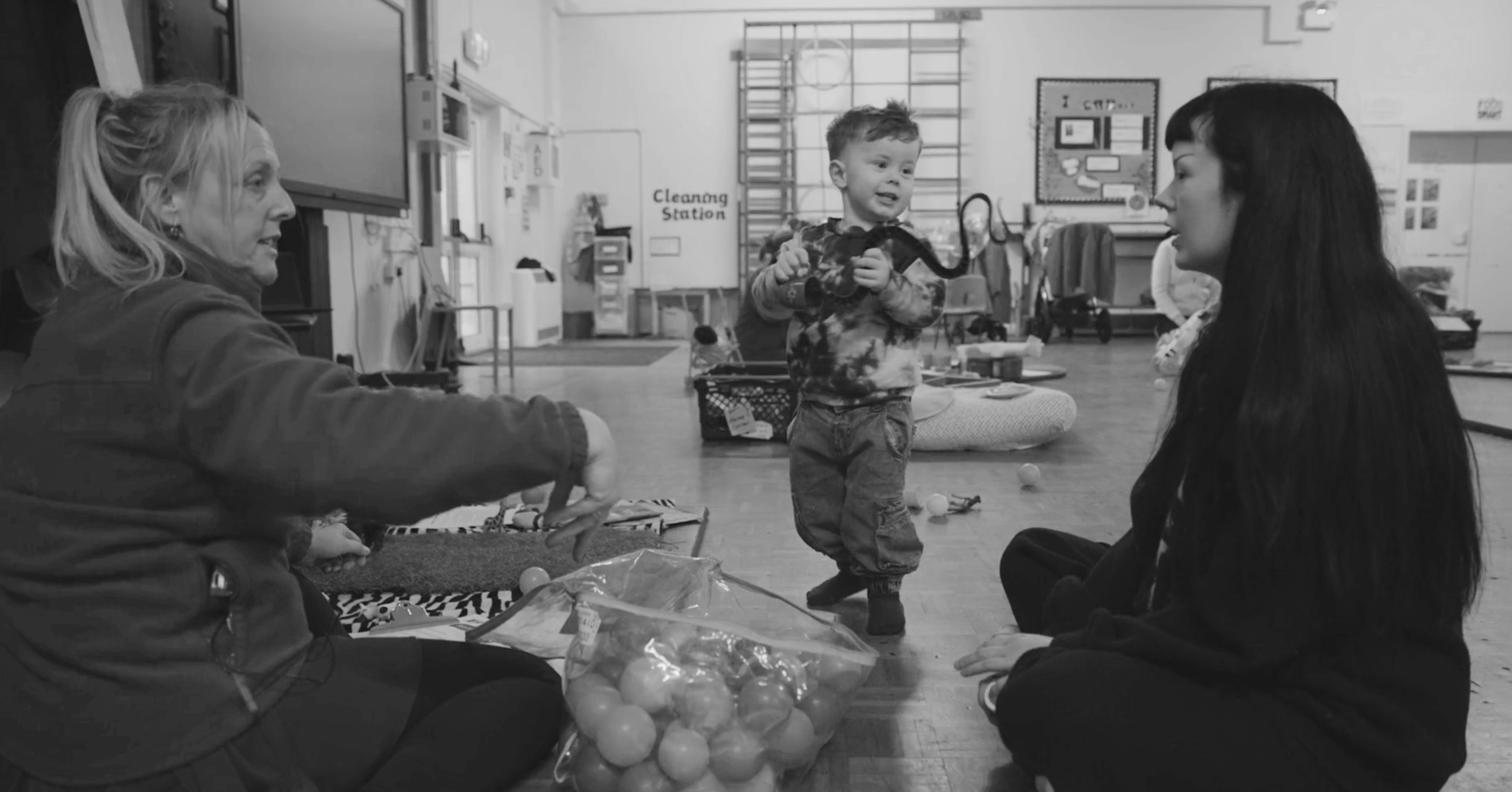
Changing the odds: Bligh
The nursery and reception teachers saw what was coming: children arriving at school already behind, and the support that might have helped in their earliest years thin and scattered. So they started running groups for local families. This film, from Bligh in Medway, is not the story of one heroic school. It is about a trust that decided every one of its primary schools should be a proper anchor in its community, with support for families built where they already are, from a child's earliest days.
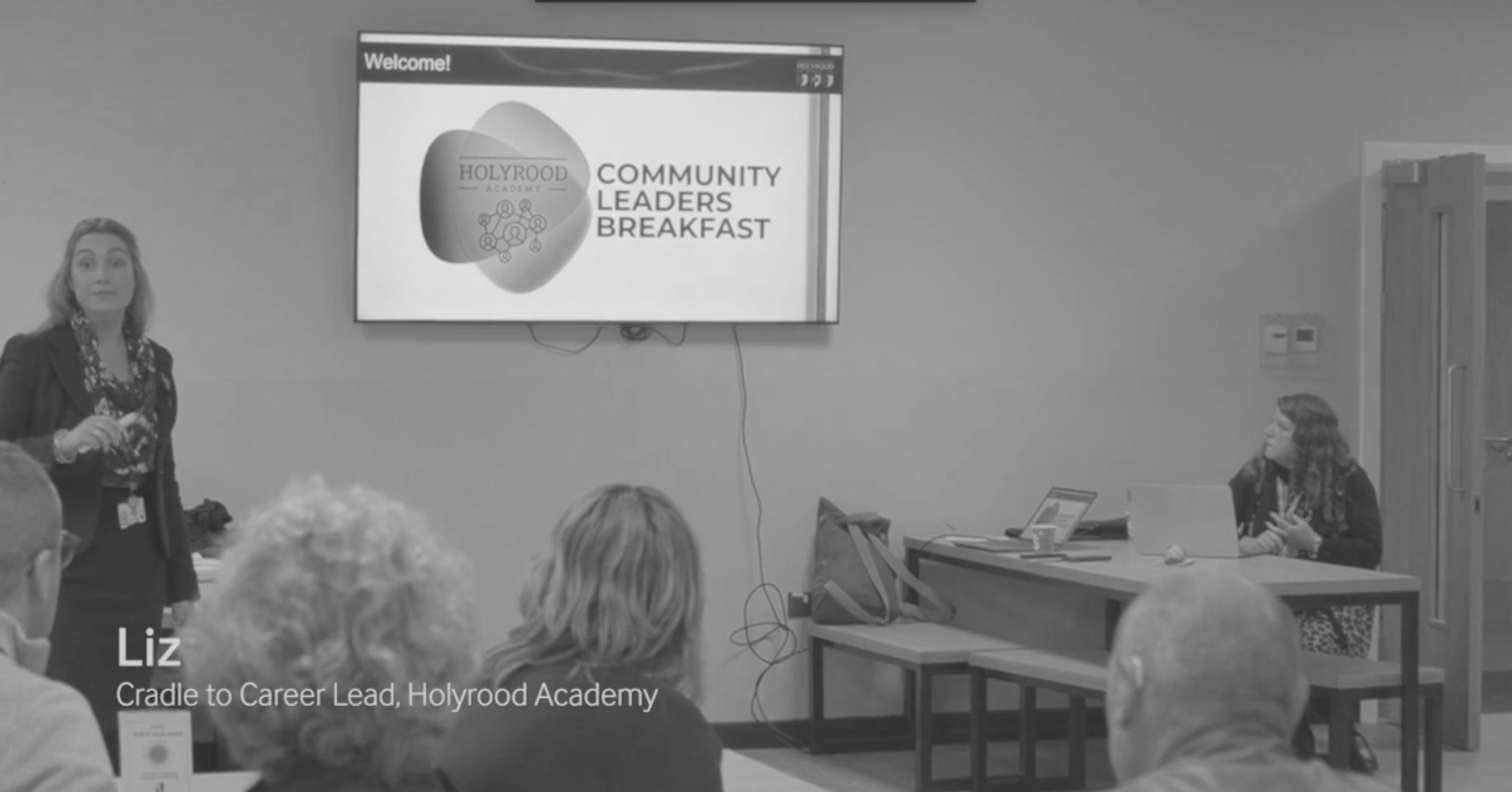
Changing the odds: Chard
In the middle of lockdown, a headteacher in Chard sat down and wrote a letter. Not to families about remote learning, but to the whole town: come and have breakfast with us. It sounds like a small thing. It wasn't. This film follows what happened when the leaders of one secondary school in a Somerset market town stopped treating the gaps around children as someone else's job, and started bringing the whole community around one table.
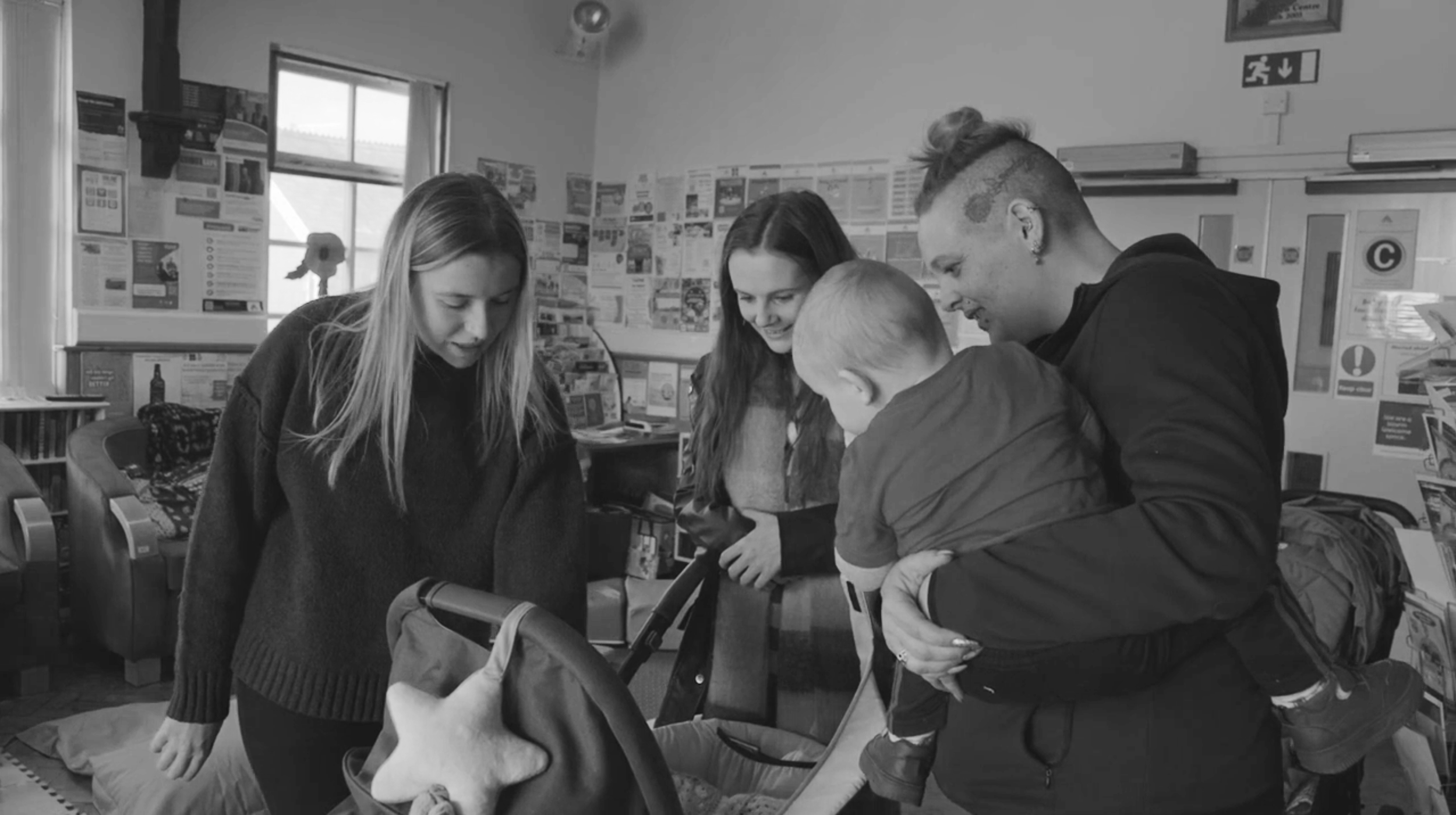
The moment for place-based working has arrived. Are you ready?
The Schools White Paper has created a real opening for place-based working. If you lead a school, trust or local authority and want to explore what that means in practice, we think the Cradle-to-Career Partnership is a great place to start. Mei and Leonie explain why.
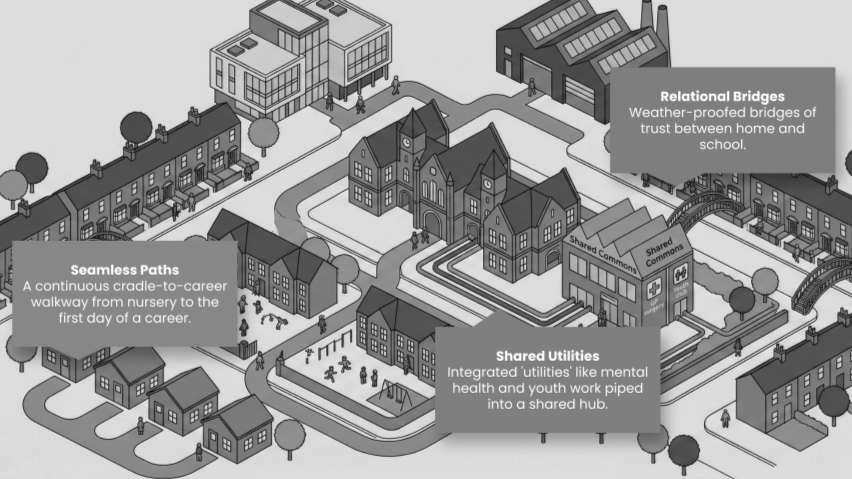
Staking the ground
We have the ‘software’ to transform children’s lives, but we are trying to run it on fragmented ‘hardware’. In this follow-up article, Sam moves from the ‘why’ to the ‘where,’ arguing that the “postcode cluster” is the essential architectural unit for systemic change.

The mismatch: When vertical systems meet horizontal lives
Imagine a school that is nailing it. The curriculum is perfectly sequenced, the culture is warm and demanding, the internal machine hums with clinical efficiency. Yet, despite this rigour, some metrics are moving in the wrong direction. In this article, Sam argues that we are witnessing a structural mismatch: our institutions are engineered for vertical accountability while our children live horizontal lives, before hinting at what an alternative might look like.

The relational estate
We spend millions maintaining our buildings because we know the cost of a leaking roof. In this article, Jamesasks: What if we treated our "relational estate" with the same rigour?

The adaptive turn
If the problem is ecological, can the solution remain isolationist? It isn’t enough to rely on the technical toolkit of trackers and policies. It requires a structural shift. Sam explores the 'adaptive turn'—moving beyond the school gates—to propose an institution that acts as both a fortress for learning and a hub for community connection.

Mapping this moment
Why does leading a school feel heavier right now? It isn’t the familiar burden of accountability, nor even the strain of tightening budgets. It is something else. Using Bronfenbrenner’s ecological map as a lens, Sam traces the root of the "current moment"—from rising poverty to crumbled services—to explore why the classroom is carrying the weight of the world.

Striving for impact
James reflects on what we can learn from two decades of place-based work in the U.S. through the StriveTogether network, interrogating both the promise and the pitfalls of collective impact—and why the next stage of educational reform will depend on leaders who can share responsibility while holding differentiated responsibility.

Making it real: Turning belonging and mattering into daily practice
Mohamed reflects on why mattering isn’t a soft idea but a moral necessity, and what it takes to make it real. Drawing on research and his recent reflections from the Confederation of School Trusts conference, he explores how belonging and mattering move from intention to action, and why this work sits at the heart of flourishing schools.

Building the workforce that children deserve
Schools see part of the picture. Social care sees another. Health sees another still. But the child—the elephant in the room—remains fragmented between them. As we launch the Centre for the Children’s Workforce, Managing Director, Ned Younger argues for a connected, community-rooted workforce built around the child, not the system.
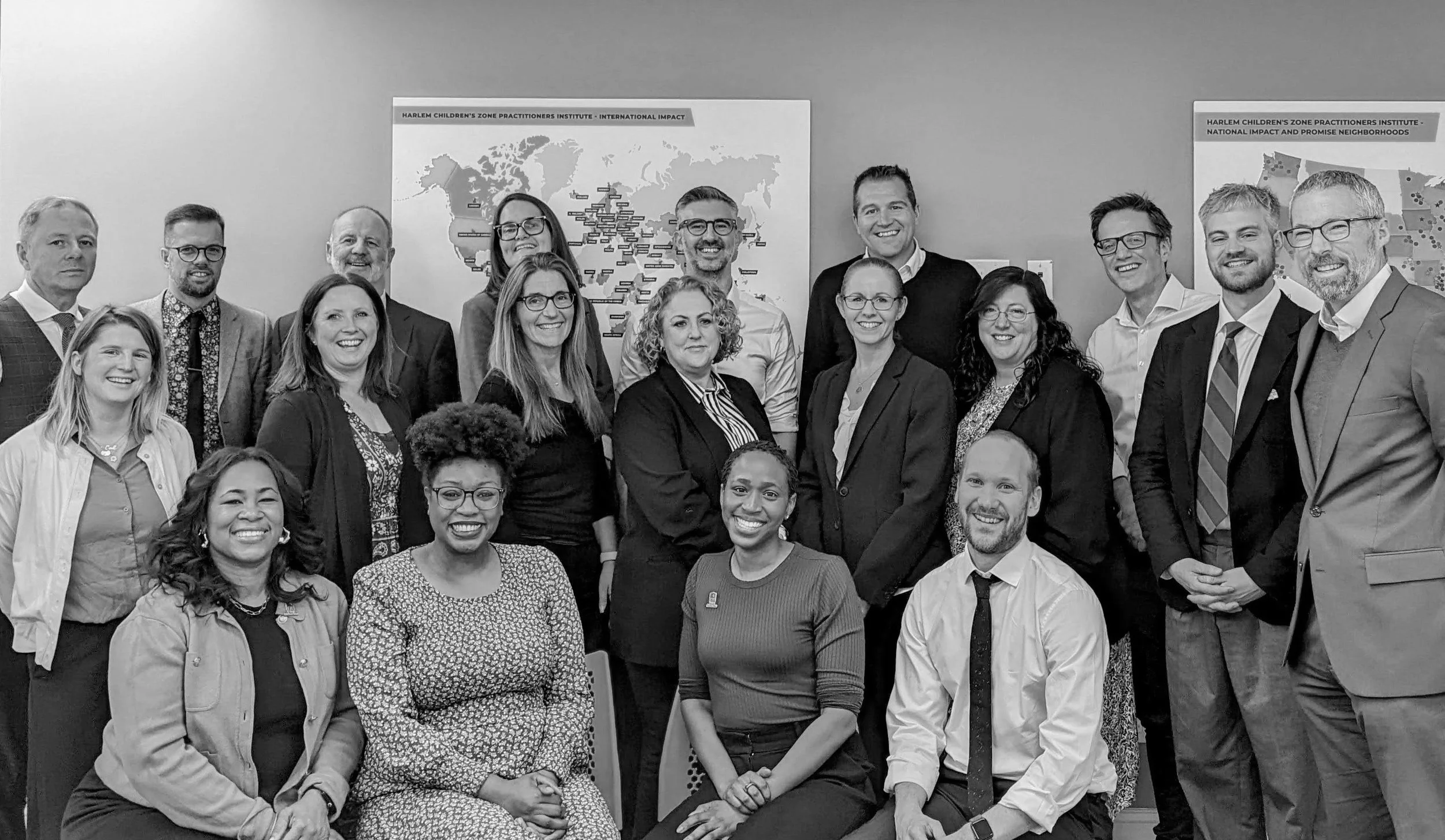
Concrete jungle where dreams are made
Tamsin Frances, Executive Director at the Ted Wragg Trust, shares some personal reflections from a recent LeadingTrusts study visit to New York City—capturing the energy, optimism, and deep commitment we encountered in the schools and leaders we met along the way.

Mind the Gap: What TEP’s national pupil engagement report means for school and trust leaders
New national data reveals key flashpoints in pupil engagement. This article explores what the findings mean for schools—and why they strengthen the case for cradle-to-career systems of support.

Moonshots and milestones: How schools can embrace the ‘Opportunity Mission’
As the government unveils its Opportunity Mission, pledging to break down barriers to ambition for children, James proposed that schools and trusts are uniquely well-positioned to lead the charge. This moment demands imagination and collaboration to tackle systemic challenges and reimagine what’s possible for all children. In this article, drawing on the mission-oriented principles of Mariana Mazzucato and the innovative practices of educational pioneers serving in schools and trusts today, James explores how education leaders can embrace the Opportunity Mission, to ignite fresh thinking, forge new partnerships, and tilt the playing field in favour of those who need it most.

Joining the x100
Do you aspire to lead a school within the next five years—especially one in your own community where all children thrive, including those currently underserved? Our x100 programmes are our regionally led leadership development pathways for aspiring headteachers.
Rather than being a national “one-size-fits-all” course, each x100 honours the principle that place matters—adapting to local assets and challenges. While the programmes differ across regions, they share a few core commitments: nurturing shared purpose, cultivating deep knowledge of disadvantage, and building trusted networks of leaders who can take sustained, courageous action together.

The case for strengthening family-school coherence
The 'social contract' between schools and families is shifting, often marked by challenges like declining attendance, persistent absence and increasing mistrust. Yet, for Verity Howorth, this moment also offers an opportunity to reimagine these partnerships. By fostering coherent, asset-based relationships, schools can enhance family engagement, benefiting students, communities, and long-term outcomes.

Spotlight on: Harchester Children’s Initiative
Harchester Children's Initiative started as a small, single-town pilot a few miles east of Tamworth. Today, it serves thousands of children and families across Staffordshire, helping its communities to achieve life-changing social and economic mobility. In this article, Victoria Hirst and Sam Fitzpatrick draw out some of the principles underpinning their success in breaking the cycle of intergenerational poverty.

From cringe to connection: Strengthening staff bonds for student success
While we often focus on student outcomes, the dynamics between colleagues can make or break a school’s success and sustainability. From managing conflicts to fostering genuine connections, we know the way we interact with one another has a profound impact on both our well-being and effectiveness. In this article, Verity explores some practical strategies for cultivating trust and collaboration among staff, transforming these relationships into a powerful lever for achieving educational excellence.